

The 59th Annual Convention of the Indian Pest Control Association (IPCA), INDIAPEST 2026, concluded at ITC Grand Chola, Chennai, bringing three days of discussions, technical learning, networking and industry engagement to a close.
Held from 20 to 22 August 2026 under the theme “Safety and Dignity,” the convention brought together more than 500 delegates, including professionals and representatives from India and countries such as the United Kingdom, Denmark, Australia and the United States.
What began with the formal inauguration developed into a wider platform for professionals across the pest management sector to exchange knowledge, explore emerging technologies and discuss the challenges shaping the industry’s future.
Three Days of Industry-Wide Engagement
INDIAPEST 2026 brought together pest management professionals, researchers, technical experts, business leaders and representatives from allied industries.
The convention was designed not simply as a technical conference but as a platform where experience could meet new technology, competitors could become collaborators, and industry professionals could learn from one another.
Addressing the gathering, IPCA Secretary Binay P. Singh highlighted the significance of bringing the industry together in Chennai and emphasised the importance of creating stronger connections within the professional pest management community.
The change of venue also provided an opportunity for IPCA to engage with a new regional audience and strengthen the industry’s presence in South India.
From AI to Cybersecurity: A Changing Pest Management Landscape
One of the defining aspects of this year’s convention was the breadth of topics discussed during the technical sessions.
The industry is undergoing significant changes as artificial intelligence, digital tools, improved monitoring systems, biological solutions and new formulations increasingly influence the way pest management services are delivered.
One of the sessions explored “The Technician’s New Toolkit – Practical AI for Safer Work, Stronger Skills and Professional Recognition,” examining how artificial intelligence could influence the role of pest management technicians and support safer and more efficient working practices.
Cybersecurity was another important subject, with discussions addressing the potential impact of cybersecurity challenges on the pest management industry.
The inclusion of these topics reflects how the profession is expanding beyond conventional pest control methods. As pest management companies become increasingly dependent on digital systems, data and technology, understanding these emerging risks and opportunities is becoming an important part of professional development.
Food Safety and Sustainable Pest Management Take Centre Stage
Food safety remained another significant area of discussion during the convention.
A dedicated session on the importance of pest control by FSSAI highlighted the critical relationship between professional pest management and food safety standards.
This is particularly relevant for food processing facilities, restaurants, warehouses, hospitality businesses and other environments where pest activity can affect hygiene, product integrity and regulatory compliance.
Sustainability was also a recurring theme, with experts discussing approaches to sustainable pest management and the wider adoption of responsible pest control practices.
Other technical discussions covered subjects including vector management, biological pesticides, industrial weed management and termite management, demonstrating the increasingly specialised nature of the modern pest management industry.
International Expertise and Industry Perspectives
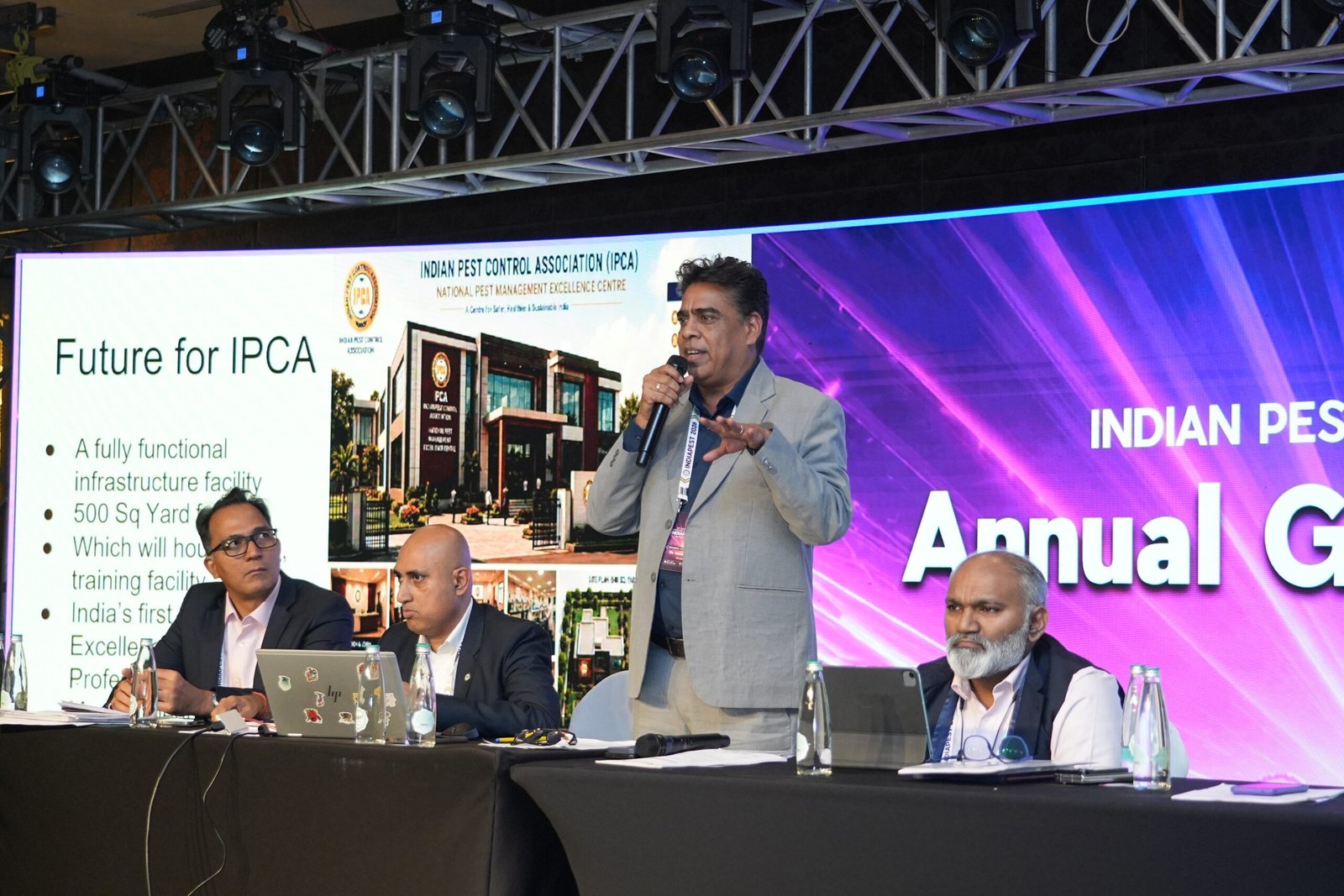
The convention also benefited from participation by experts from India and overseas, giving delegates an opportunity to gain perspectives from different markets.
Sessions addressed subjects ranging from sustainable pest management and cybersecurity to termite management and professional development.
The presence of international participants from countries including the United Kingdom, Denmark, Australia and the United States further strengthened the convention’s role as a platform for global knowledge exchange.
For an industry facing changing regulations, technologies, customer expectations and environmental considerations, these international perspectives can provide valuable insight into how pest management practices are evolving around the world.
Recognising the People Behind the Industry
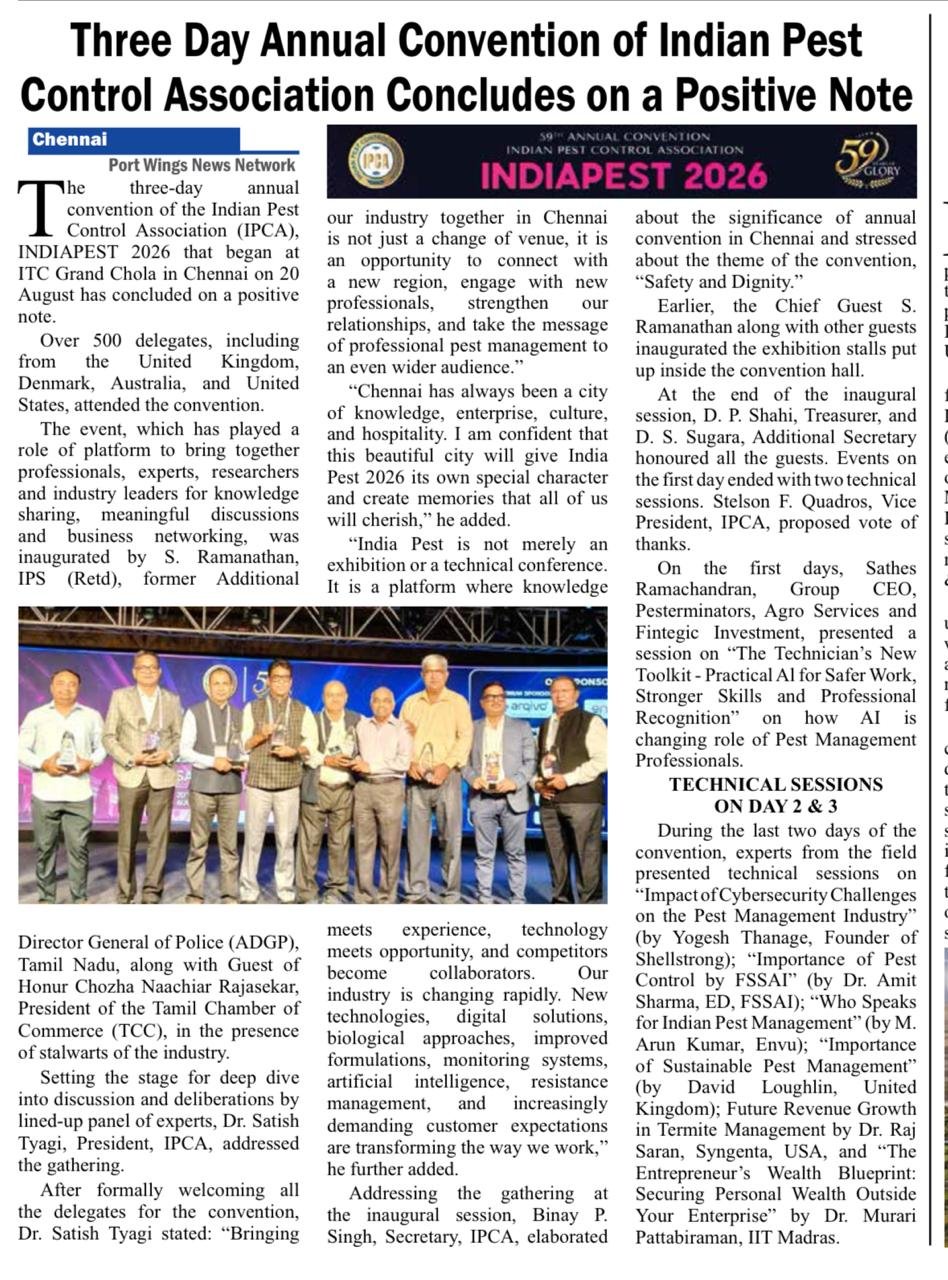
Beyond technical sessions, INDIAPEST 2026 also created several opportunities to recognise and celebrate professionals contributing to the pest management sector.
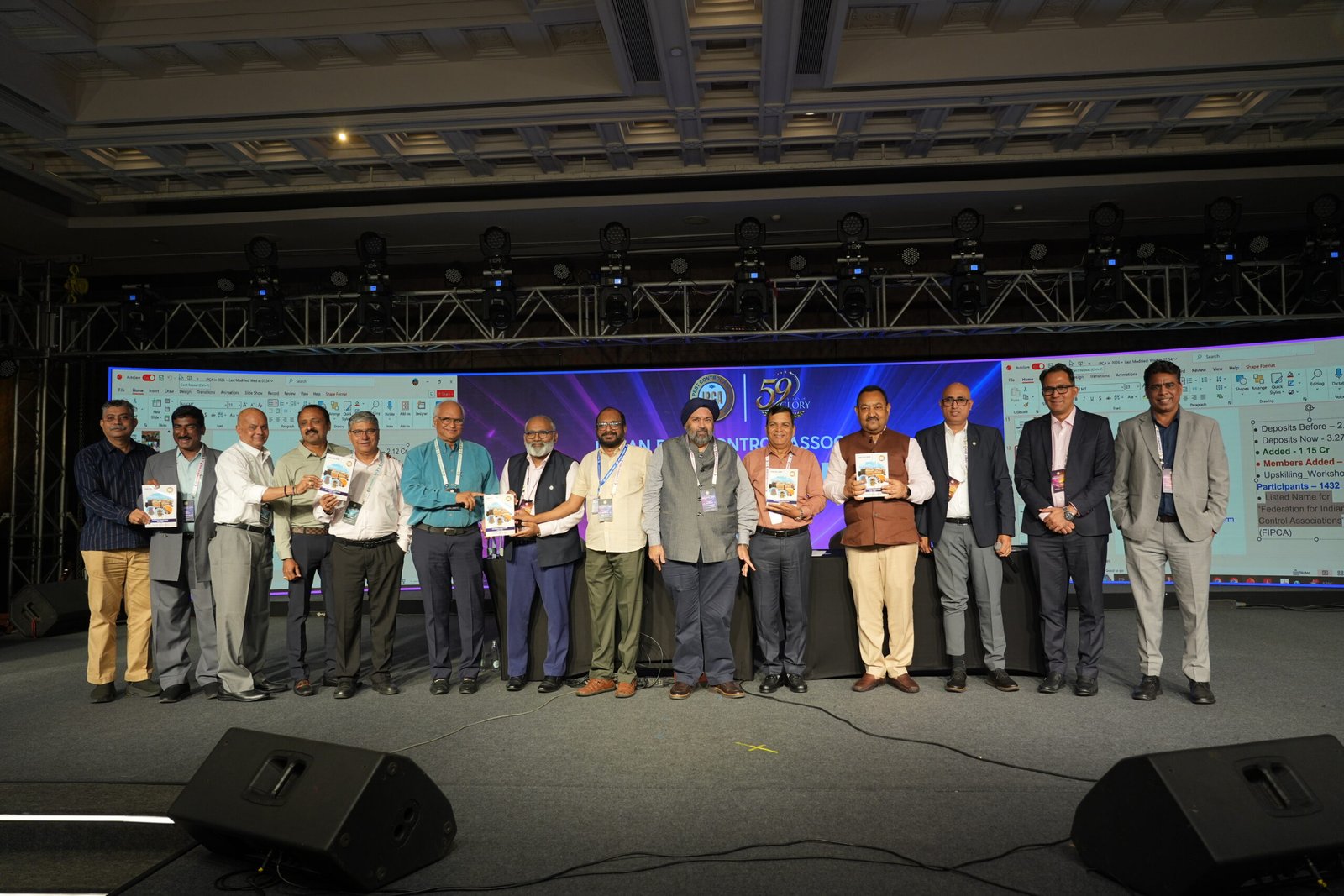
The event featured moments of recognition on stage, bringing together industry representatives with years of experience and newer professionals working to shape the next phase of the sector.
These occasions served as a reminder that the development of professional pest management depends not only on new products and technologies but also on the people who apply their knowledge, build businesses, train teams and raise standards across the industry.
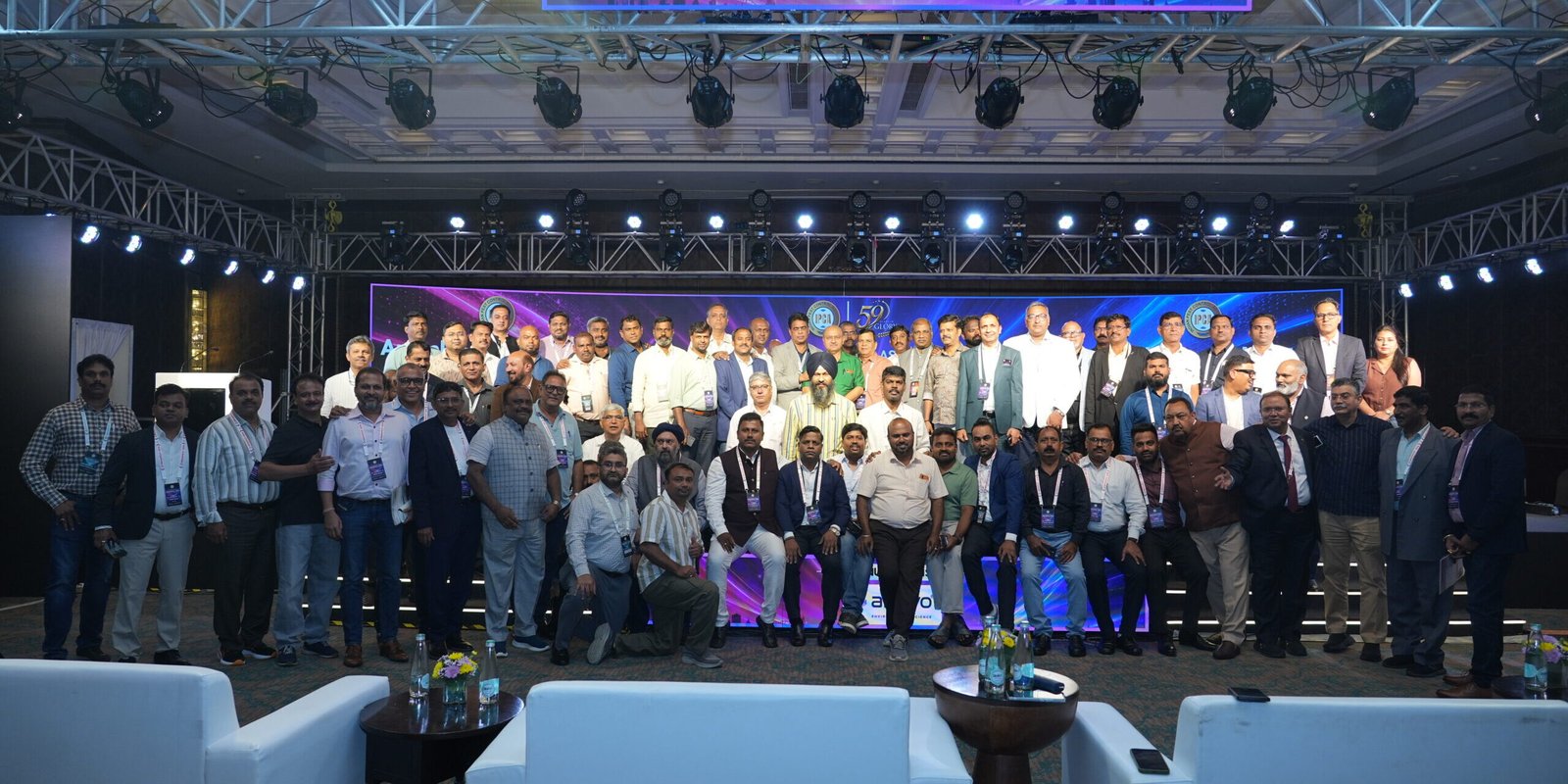
The convention’s photographs capture this spirit particularly well, with groups of professionals coming together on stage to celebrate their achievements and shared contribution to the sector.
Networking That Goes Beyond the Conference Room
One of the strongest outcomes of a convention of this scale is the opportunity for professionals to meet outside their usual business and geographical circles.
The three-day gathering created opportunities for networking, collaboration and professional relationships, allowing delegates to share experiences from different markets and discuss common challenges.
The exhibition and various networking sessions further connected pest management companies with manufacturers, suppliers, researchers and other industry stakeholders.
As the industry continues to evolve, such connections can play an important role in encouraging collaboration and sharing practical knowledge.
Chennai: A New Chapter for INDIAPEST
For IPCA, bringing the 59th Annual Convention to Chennai represented more than a change of location.
Chennai offered an opportunity to connect with a new regional audience while bringing professionals from across India and overseas together in one of India’s major business and cultural centres.
The convention’s successful conclusion reinforces the value of taking major industry gatherings to different regions and creating opportunities for local professionals and businesses to participate in the wider pest management community.
Looking Beyond INDIAPEST 2026
As the final sessions came to an end, the conversations started at INDIAPEST 2026 are unlikely to end with the closing of the convention.
The issues discussed over the three days, from AI and cybersecurity to food safety, sustainability, vector management and professional development — represent challenges and opportunities that the pest management industry will continue to encounter.
The convention has demonstrated that modern pest management is becoming increasingly connected with technology, public health, food safety, environmental responsibility and professional standards.
Its theme, “Safety and Dignity,” therefore carries significance beyond the event itself. It reflects the industry’s continuing need to prioritise safer working practices, responsible pest management and greater recognition of the professionals who keep these services running.
A Positive Conclusion to the 59th Annual Convention
INDIAPEST 2026 concluded on a positive note, leaving delegates with new knowledge, professional connections and a broader perspective on the direction of the industry.
From the inauguration and technical sessions to the exhibition, recognition ceremonies and final group gatherings, the three-day convention brought together the many people and organisations that contribute to pest management.
As IPCA moves towards its next annual convention, the discussions in Chennai provide a strong foundation for continued collaboration and innovation.
The 59th Annual Convention ultimately served as more than a meeting of pest management professionals. It was a reflection of an industry that is evolving, embracing technology, strengthening professional standards and preparing for the challenges ahead.
With INDIAPEST 2026 now concluded, the focus shifts from discussion to implementation — taking the knowledge, ideas and connections developed in Chennai forward into the next chapter of India’s pest management industry.